You are currently viewing A QR Code is not enough

A QR Code is not enough

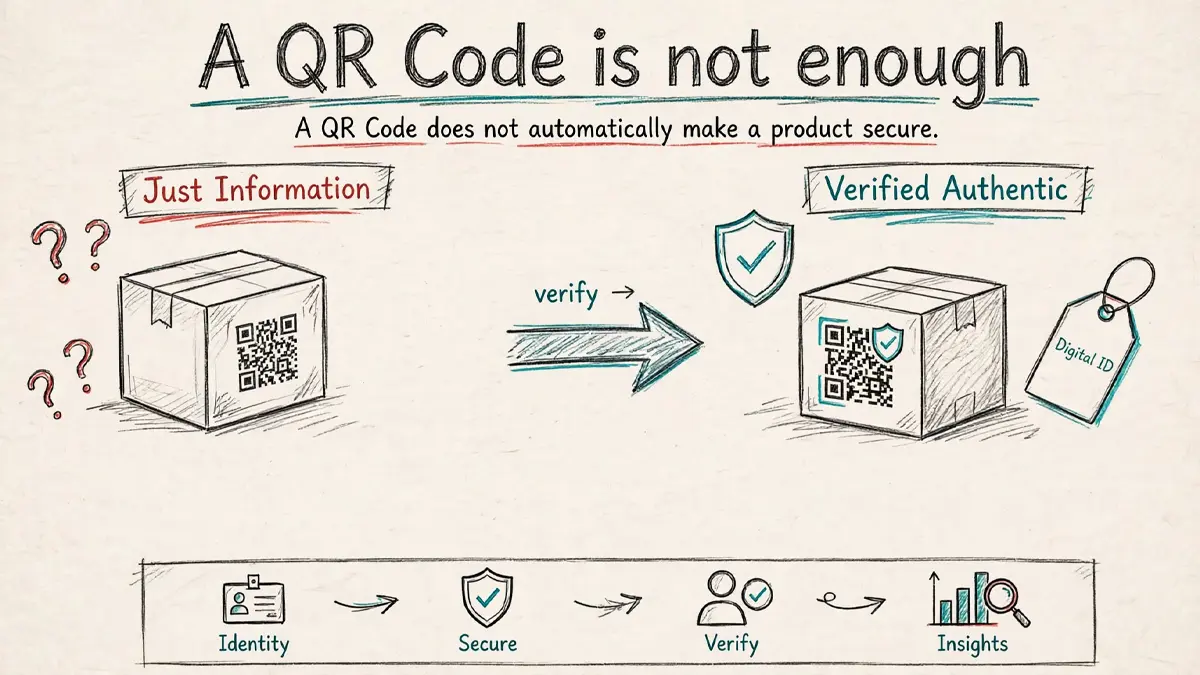
A QR Code does not automatically make a product secure.

This is an important distinction for Product Managers, Brand Managers and Packaging Decision-Makers.

A conventional QR code simply provides access to information.

It does not, by itself, establish:

  • Whether the product is genuine
  • Whether the code has been copied
  • Whether the same code is being scanned repeatedly
  • Whether the product is appearing in an unexpected market
  • Whether a consumer is interacting with an authentic product record

For an anti-counterfeit application, the security and authentication architecture behind the QR code is critical.

A properly designed secure QR solution can associate a product or package with a unique digital identity and enable controlled verification at the point of consumer interaction.

This creates an opportunity to move from:
“Scan for product information”
to:
“Scan to verify product authenticity.”

For brands in pharmaceuticals, food, cosmetics, household products and other high-counterfeit categories, that difference is significant.

The QR code should be treated as the consumer-facing access point—not the security mechanism itself.

The real value lies in the system behind it:

Unique identity → Secure authentication → Consumer verification → Market intelligence

That is where QR technology becomes a serious component of a brand-protection strategy.
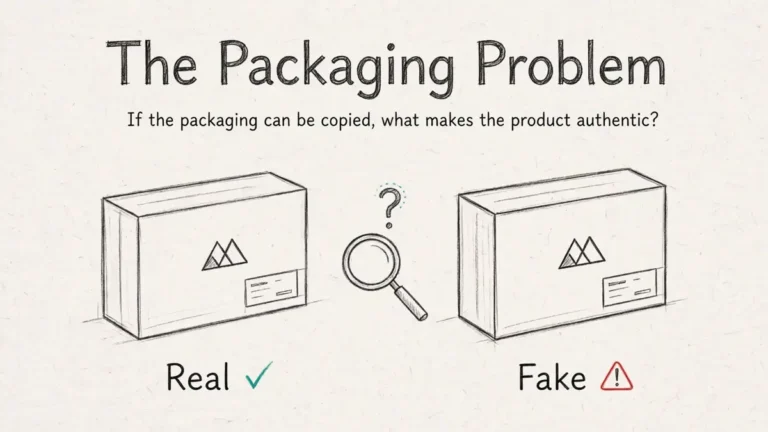
If your product can be copied, its identity should be independently verifiable.