You are currently viewing The Cost of a counterfeit product

The Cost of a counterfeit product

What does one counterfeit product cost a brand?

The answer is not limited to the value of one lost sale.

A counterfeit product can mean:

  • Lost revenue
  • Loss of channel confidence
  • Consumer complaints
  • Reputational damage
  • Potential regulatory exposure

And, in some industries, consequences that can extend to consumer safety

The challenge is particularly serious for categories such as medicine, food, cosmetics and household products—where consumers often have limited ability to distinguish genuine products from sophisticated counterfeits.

Technology can change that equation.

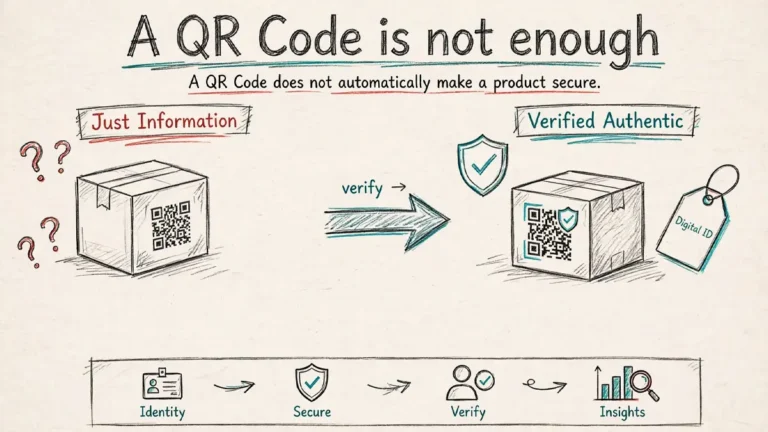
With a properly designed secure QR-based authentication system, a brand can provide consumers with a simple mechanism to verify product authenticity while creating a digital layer for the brand to monitor product-level activity in the market.

The objective is not to put another QR code on the package.

The objective is to establish a trusted digital identity for the product.

That distinction is important.

Because effective anti-counterfeiting is not about adding technology to packaging.

It is about giving the brand greater control over product authenticity, market visibility and consumer trust.

For CEOs and business leaders, the strategic question is straightforward:
How much of your brand protection strategy depends on the assumption that your products are genuine after they leave your control?